


Specialized Services
Fleas & Flea Allergy
Fleas have existed as a parasite of animals and humans for hundreds of years with more than 2000 species identified worldwide.
What it is
While significant advances have been made in understanding the characteristics and biology of these parasites, they continue to pose a challenge for pets and pet owners. The presence of fleas on an animal can cause problems including itching, scratching, hair loss, secondary skin infections and in young or very small animals may result in anemia due to blood loss. Some animals may develop an allergic reaction to the bite of fleas, referred to as flea allergy or flea allergy dermatitis.
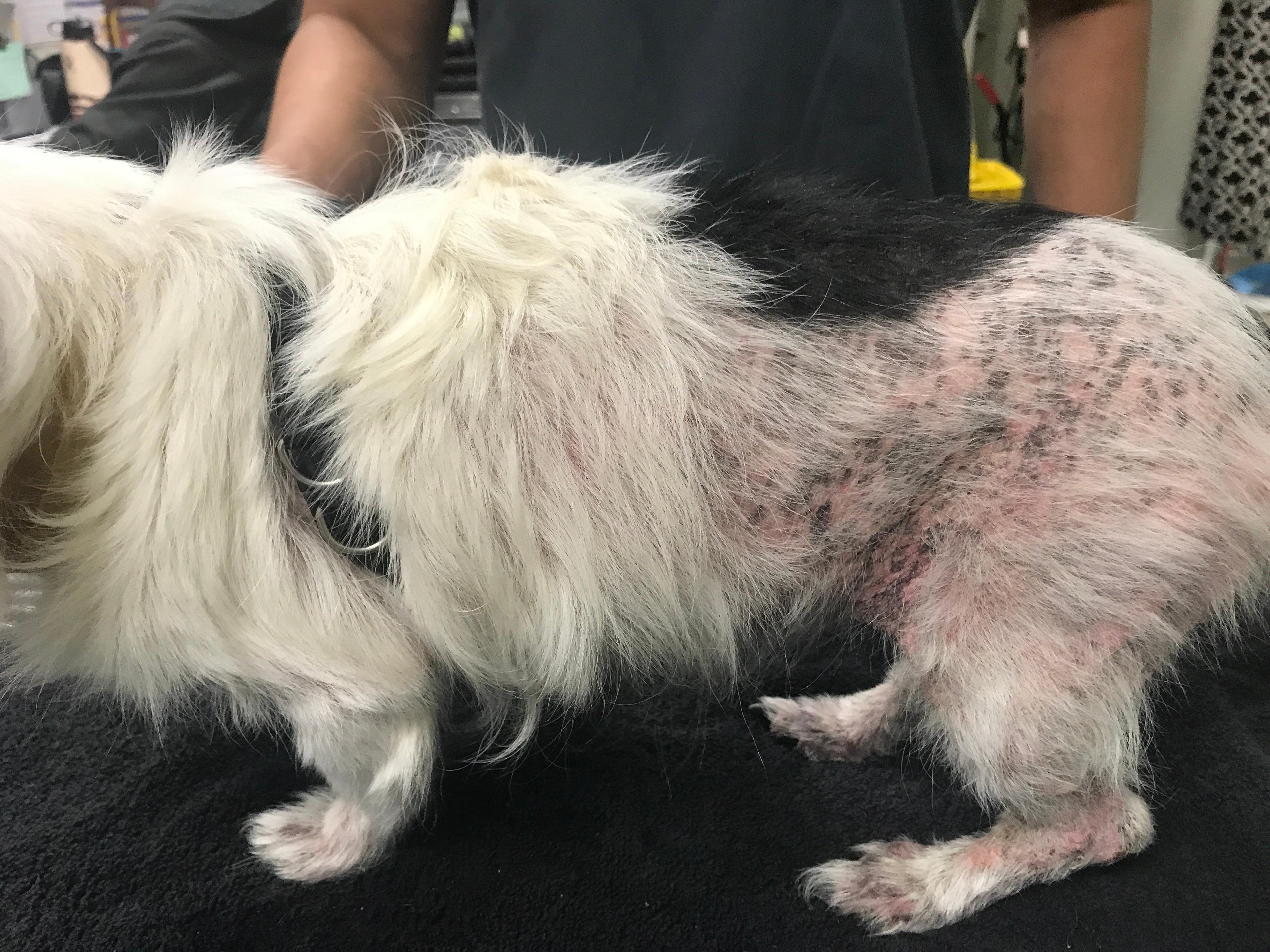
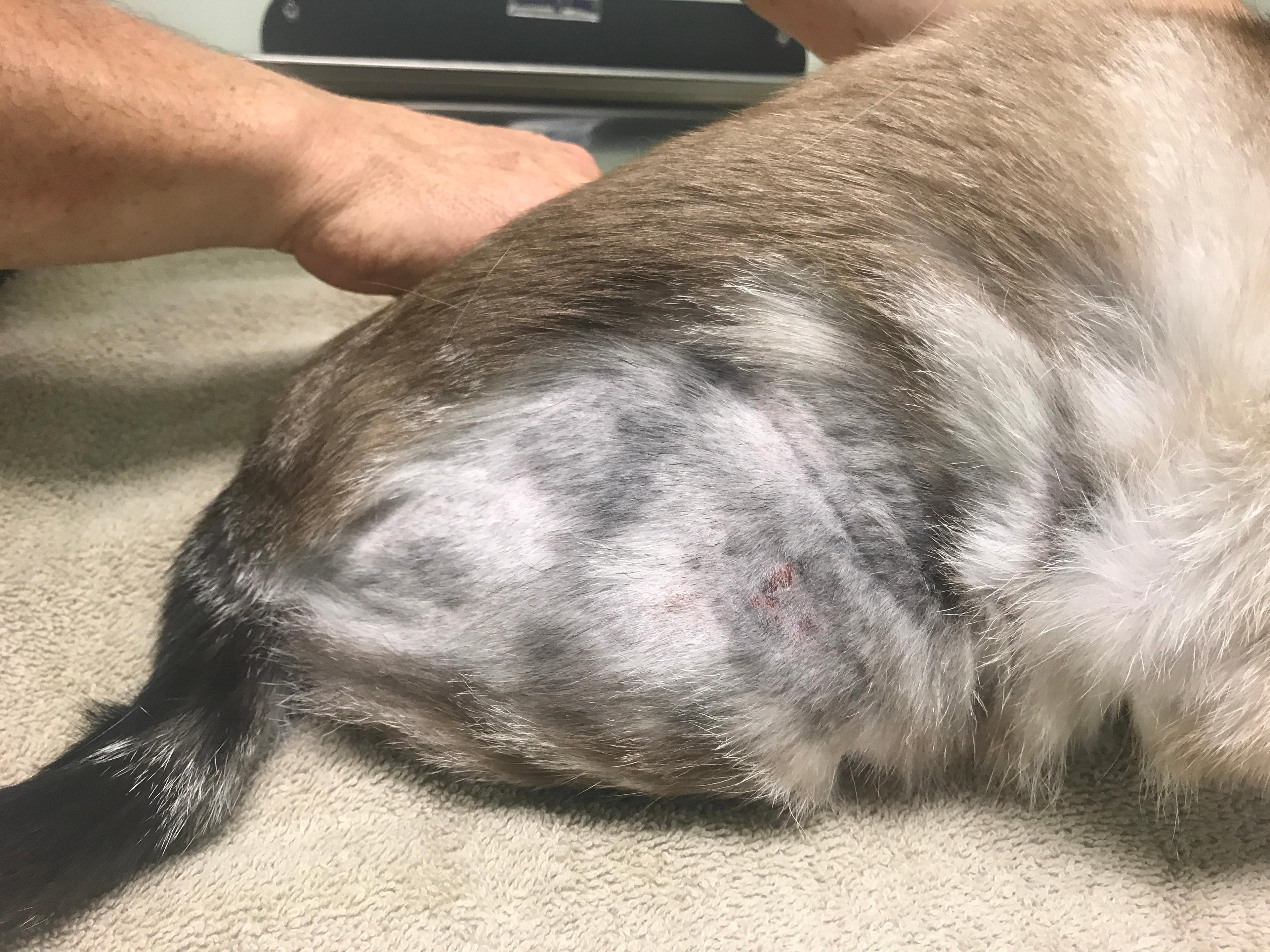
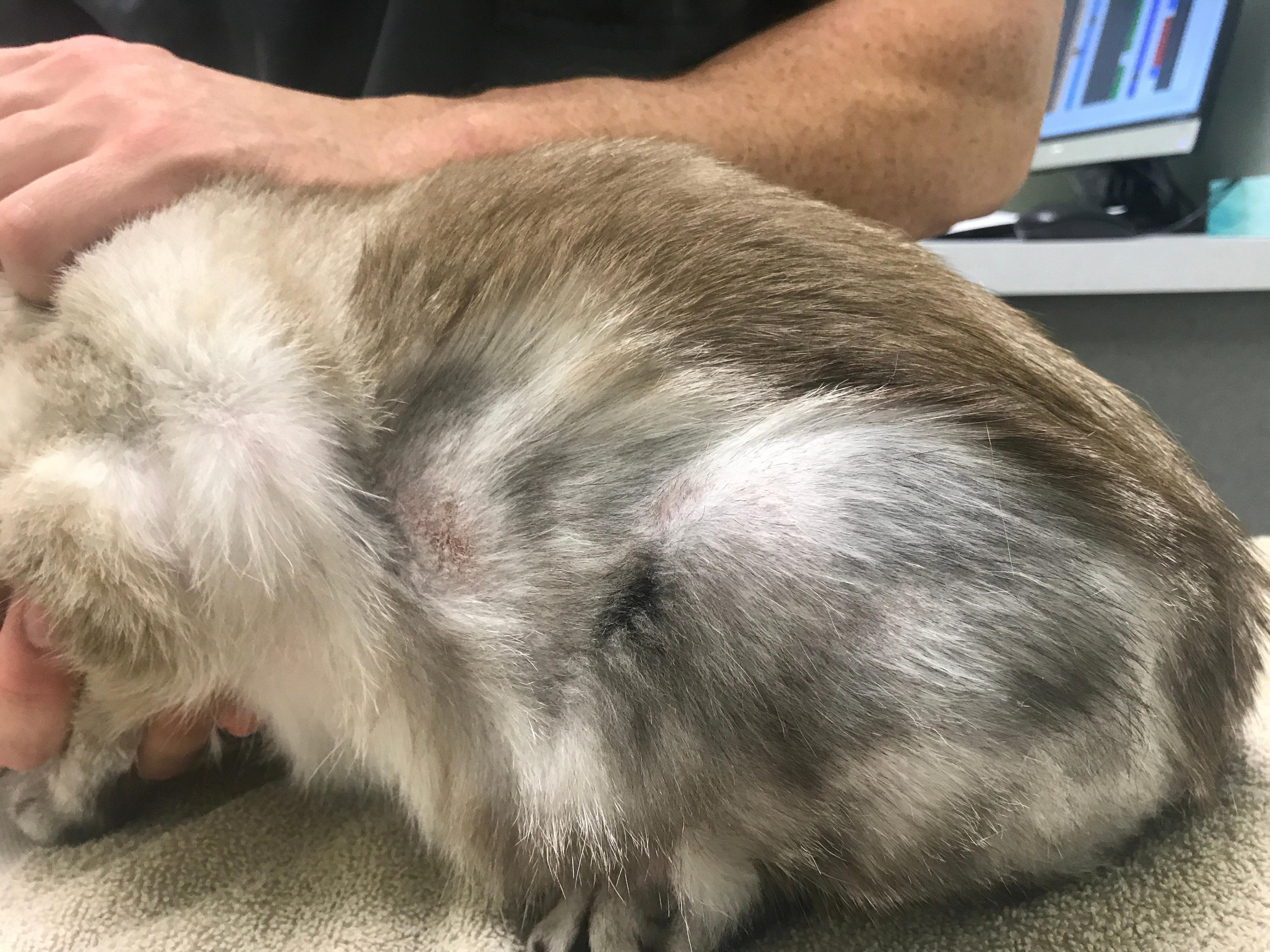
Unlike flea infestation, flea allergy requires only an occasional flea bite to produce significant inflammation and itching. In dogs, typical symptoms of flea allergy include itching, scratching, hair loss and papules along the back, rump and tail with involvement of ears and paws less common. Flea allergy in cats typically presents as small crusted eruptions often called miliary dermatitis. Lesions are most often seen along the back, rump and tail base or around the neck but may expand from these areas as problems continue. Hair loss may also be seen in cats, due to itching and excessive licking and may occur on the back, sides and abdomen.
The diagnosis of flea allergy is sometimes a challenge since fleas are often not found on flea allergic dogs and cats. This is an important feature as many pet owners will assume that fleas or flea allergy are not part of the problem because they never see a parasite. However, since only an occasional flea bite is needed to cause intense itching, the lack of observable fleas can be deceptive. Considering that many flea allergic dogs and cats find, chew or ingest an offending flea, it is easy to understand why this might be true. Because of this phenomenon, it is common for veterinary dermatologists to prescribe flea prevention if flea allergy is suspected.
The choice of flea prevention is incredibly important in flea allergic pets as not all options have the same efficacy, mechanism, speed of activity and duration of effect. One of the most important features of a flea prevention product for a flea allergic animal is that product’s speed of kill. Speed of kill refers to how rapidly a product causes the death of the flea. Since it is the literal injection of flea allergen as a flea bites an animal that causes an allergic response, a product with a rapid speed of kill and a long duration of activity is typically the most effective at management of flea allergy. Talk with your veterinarian or veterinary dermatologist about the best choice for your pet.
1 Flea Allergy Dog 1
3 Flea Allergy Cat 1
4 Flea Allergy Cat 2
Common questions
Ready to help your pet?
Request an appointment and our team will guide you through the next steps.